Loading Events

Remove

Long-Acting Injectable (LAI) Generics: Advancing Innovation in Product Development and Regulatory Assessment

Date and Time: December 1 , 8:00 am  –  5:45 pm ,
December 2 , 8:00 am  –  4:00 pm

Co-hosts: FDA and the Center for Research on Complex Generics (CRCG)

In person (at The Universities at Shady Grove; Rockville, MD) and virtual workshop.

Registration Now Open

The development and regulatory assessment of long-acting injectable (LAI) generic products present some of the most technically demanding challenges in the generic drug space. From complex excipient characterization and reverse engineering to in vitro release testing (IVRT) and pharmacokinetic (PK) study design, LAI generics require a sophisticated, multi-disciplinary approach that spans formulation science, analytical chemistry, modeling, and regulatory strategy. The purpose of this two-day workshop is to facilitate an in-depth examination of current challenges and emerging solutions relating to LAI product development and regulatory assessment.

Attendees will gain valuable insights into the intricacies of developing generic LAI products across a range of dosage forms, including drug substance suspensions, polymeric microspheres, implants, in situ forming depots, etc. The 2-day workshop will explore the connections between drug release mechanisms, relevant in vitro methodologies, and predictive modeling approaches, with a focus on defining their current utility in specific regulatory contexts. Sessions will discuss common deficiencies identified during ANDA assessment of LAI products, alternative bioequivalence study designs, and model-integrated evidence approaches that enable more efficient and feasible bioequivalence assessment.

In addition to expert-led presentations and panel discussions, in-person attendees will have the opportunity to engage directly with experts from industry, academia and regulatory agencies through the open exchange and small group working sessions. These sessions are designed to deepen participants’ understanding of current practices and challenges, regulatory expectations, and emerging trends in the field.

Choose your experience:

VIRTUAL ATTENDANCE:

All attendees will enjoy a series of expert-led presentations and panel discussions that provide valuable insights into critical aspects of LAI product development including formulation, excipient characterization, and manufacturing considerations; drug release mechanisms and the role of IVRT studies to support a demonstration of bioequivalence; novel in vivo pharmacokinetics study designs; and the use of model-integrated evidence. Virtual attendees will be able to:

  • Attend all presentations and panel discussions
  • Participate in all Q&A panel discussions by submitting questions online in real time to the speakers and panelists
  • Enjoy free access to workshop recordings of presentations and panel discussions (not including the in-person-only sessions)

IN-PERSON ATTENDANCE:

In-person attendees will enjoy all the benefits of virtual attendance and, additionally, interact directly with experts from FDA, academia, industry, consulting groups, and others to deepen their understanding of current practices and challenges, regulatory expectations, and emerging trends. These high-engagement scientific interactions will be facilitated through two in-person-only sessions:

  • A session dedicated to interactive discussions and candid dialogue with FDA, Industry, Academic, and other subject matter experts about scientific and regulatory challenges for complex LAI products.
  • A guided session for small groups of in-person attendees including real-world case studies and consensus mapping to identify priorities and actionable outcomes by working through challenging issues for LAI formulation and excipient characterization, IVRT method development, alternative BE approaches, and model-integrated evidence strategies.

Workshop Topics

  • Formulation, excipient characterization and manufacturing considerations
  • Mechanistic understanding of drug release mechanisms and in vitro drug release testing
  • Alternative bioequivalence approaches and alternative pharmacokinetics study design
  • Model-integrated evidence approaches

Audience

This workshop is designed for professionals involved in the development, manufacturing, and regulation of generic products. The target audience includes pharmaceutical scientists (formulation and product development scientists, analytical chemists, quality assurance and control experts), regulatory affairs professionals, clinical development professionals, and manufacturing experts. Additionally, the workshop will be valuable for academic researchers in pharmaceutical sciences, representatives from contract research organizations (CROs) and contract manufacturing organizations (CMOs), regulatory agency staff, and healthcare professionals interested in generic complex drug products. The content is tailored to accommodate participants with varying levels of expertise in LAI products, from those seeking to understand the fundamentals to advanced practitioners looking to stay abreast of the latest regulatory considerations and development strategies.

  • Virtual Attendance is ideal for those who wish to access expert presentations and panel discussions remotely, eliminate travel requirements, and have the flexibility to engage with content in real time or on demand.
  • In-Person Attendance is best for participants seeking high-level engagement through collaborative small group working sessions, direct interaction with experts from industry, academia and FDA, and immersive learning focused on real-world challenges and problem-solving.

Registration Fees:

  • This workshop is FREE for virtual attendees.
  • The combined cost for the two-day workshop in-person attendance and activities is:
    • $350, in-person attendees – general
    • $150, in-person attendees – government (must have an email ending in “.gov” to register at this rate)

For faculty and students from the University of Maryland, Baltimore, The Universities at Shady Grove, and University of Michigan, please contact CRCG (info@complexgenerics.org) regarding registration.

Continuing education (CE) credits will not be provided for attending this workshop.  A certificate of attendance will only be provided to individuals attending in-person, when requested.

For in-person attendees, beverages and food for breaks will be provided; Lunch will not be provided. Please visit the CRCG website regarding pre-ordering lunch instructions. Links will be provided once they are available. Orders must be placed by November 16 (5 PM ET). Also there is an onsite cafe for purchasing food or you are welcome to bring your own lunch.
Introduction to the Workshop

This two-day workshop will address the most pressing scientific and regulatory challenges in the development and assessment of long-acting injectable (LAI) generic products. The program will explore the technical hurdles associated with LAI formulation development, including complex excipient characterization, reverse engineering, and manufacturing considerations that influence product performance and batch consistency. Sessions will cover drug release mechanisms across diverse LAI platforms and the development of discriminatory in vitro release testing (IVRT) methods.

The workshop will also address alternative bioequivalence strategies and innovative pharmacokinetic (PK) study designs that reduce the burden of traditional BE studies while maintaining scientific rigor. Model-integrated evidence (MIE) approaches, including population PK modeling and mechanistic physiologically-based pharmacokinetic (PBPK) modeling, will be discussed as tools to accelerate generic LAI development and support regulatory submissions. Common deficiencies identified during ANDA assessment for LAI products will be highlighted, with an emphasis on best practices and actionable solutions.

Sessions will feature expert presentations, case studies, and interactive panel discussions. In-person attendees will have an additional opportunity to participate in the open exchange and small-group working sessions focused on real-world challenges, best practices, and actionable solutions, offering direct engagement with regulators and thought leaders from industry and academia.

DAY 1

Session 1: Critical Aspects of LAI Development: Formulation, Excipient Characterization, and Manufacturing Considerations

Format: Presentations and Panel Discussion (Virtual and In-Person Attendees)

  • This session will explore the scientific and technical challenges in developing LAI products, with an emphasis on establishing formulation sameness from characterizing complex excipients and reverse engineering. Presenters will highlight analytical challenges in excipient identification and quantitation, critical formulation properties affecting drug release, and manufacturing consideration influencing performance and batch consistency. Industry and FDA speakers will provide insight into regulatory experiences, common ANDA deficiencies, and best practices to aid in facilitating successful product development and approval.

Session 2: Drug Release Mechanism Understanding of LAI products: From IVRT to Totality of Evidence Approach.
Format: Presentations and Panel Discussion (Virtual and In-Person Attendees)

  • This session will focus on the mechanistic understanding of drug release from LAI products and the development of appropriate IVRT methods to support BE assessments. Presenters will discuss the scientific principles underlying drug release from various LAI platforms, from crystalline suspensions, polymeric microspheres, in situ forming depots, to non-biodegradable matrix systems, and the challenges in developing IVRT methods designed to be discriminatory and reflective of in vivo performance. The session will also address the totality of evidence approach for establishing BE of complex LAI products, integrating understanding of formulation characterization, IVRT data, and potential in vitro-in vivo correlations (IVIVC) to support regulatory submissions and reduce reliance on clinical endpoint studies.

Session 3: Small Group Working Sessions

Format: Interactive Working Session (In-Person Attendees Only)

  • In this collaborative session, participants will join small-group discussion tables facilitated by FDA, industry, and academic experts. In-Person Attendees will engage in discussions related to the challenges and opportunities presented in Day 1 sessions, including formulation characterization, excipient quality, IVRT method development, and drug release mechanisms. Attendees will engage in guided discussions, consensus mapping, and reporting of actionable research or policy recommendations.

DAY 2

Session 4: Alternative Bioequivalence Approaches and Alternative Pharmacokinetic Study Designs for LAI Products

Format: Presentations and Panel Discussion (Virtual and In-Person Attendees)

  • This session will focus on alternative BE strategies and innovative PK study designs for LAI products. Presenters will discuss the practical challenges of conducting traditional PK BE studies, including extended study durations and large sample size requirements, and will explore alternative approaches that reduce these burdens while maintaining scientific rigor. The session will also address in vitro BE approaches that may support waiving PK BE studies and the totality of evidence framework for integrating in vitro and in vivo data to support regulatory submissions.

Session 5: Small Group Working Sessions

Format: Interactive Working Session (In-Person Attendees Only)

  • In this collaborative session, participants will join small-group discussion tables facilitated by FDA, industry, and academic experts. In-Person Attendees will engage in discussions related to the challenges and opportunities presented in Day 2 sessions, including alternative BE approach, innovative PK study design, and model-integrated evidence approach. Attendees will engage in guided discussions, consensus mapping, and reporting of actionable research or policy recommendations.
Session 6: Open Exchange

Format: Interactive Discussions on Focused Product Development and Assessment Areas (In-Person Attendees Only)

  • This session is dedicated to interactive discussion and candid dialogue with FDA, Industry, Academic, and other subject matter experts about scientific and regulatory challenges for complex LAI generic products.

Session 7: Accelerating LAI Generic Development Using Model-Integrated Evidence

Format: Presentations and Panel Discussion (Virtual and In-Person Attendees)

  • This session will focus on the application of model-integrated evidence (MIE) approaches to accelerate generic development of LAI products. Presenters will discuss how industry is leveraging modeling approaches, including population PK and mechanistic PBPK models and release kinetics modeling, to streamline LAI generic development programs. Regulatory expectations for MIE submissions will be addressed, along with successful case examples demonstrating acceptable approaches for incorporating modeling data into regulatory packages.


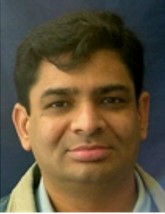
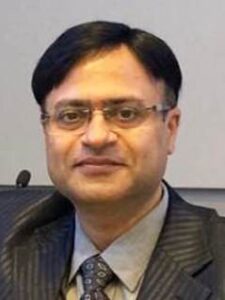
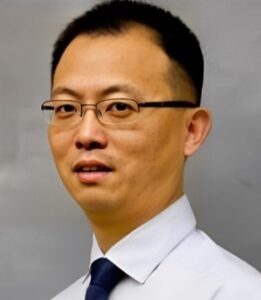
Tausif Ahmed photo

Senior Vice President & Head, Department of Clinical Research and Biopharmaceutics, Mankind Research Centre

Dr. Tausif Ahmed is currently working as Sr. Vice President & Head-Clinical Research & Biopharmaceutics Department at Mankind Pharma Limited, Delhi, India. He is responsible for managing all Bioequivalence studies, preclinical Tox and Phase III clinical trials supporting domestic and global complex generic products across all dosage forms at Mankind. Prior to joining Mankind, Dr. Tausif worked as Sr. VP Bioequivalence and CT at Aizant Drug Research solution Pvt., Ltd. Hyderabad, India.  In past he has worked as Vice President & Head-Biopharmaceutics & Bioequivalence in the Global Clinical Management group, IPDO at Dr. Reddy’s Laboratories Limited (DRL), Hyderabad. He was responsible for managing all Bioequivalence studies supporting global complex generic products at DRL. He was also involved in PK/Modelling and Simulation activities supporting global generic development. Prior to joining DRL, he was Associate Director and Head-DMPK (preclinical discovery, Clinical dev., and Generic) & Dy. Test Facility Mgt. GLP toxicology dept. at Piramal Enterprises Limited, Mumbai. Dr. Ahmed has been associated with different pharmaceutical companies such as Dr. Reddy’s Research Foundation (DRF), Ranbaxy Research Laboratories, Sai Life Sciences Limited, and Piramal Enterprises Limited in the past. He obtained M.S. in Pharmaceutics from NIPER and Ph.D. in Pharmaceutical Medicine (specialization: Biopharmaceutics and PK/PD) from Hamdard University (Ranbaxy, now Sun Pharma Sponsored). He has been working in the field of drug discovery, development, phase I/II, and generic BA-BE studies for more than 23 years. His area of specialization includes DMPK, metabolite-ID, population PK, PK-PD modelling, and simulation, generic BA/BE studies and GLP bioanalysis. In recent years his focus is on use PBBM/PBPK modelling in generic drug development. He has extensive experience in outsourcing preclinical and clinical studies to CROs both in and outside of India. Dr. Ahmed has contributed to >15 IND filings, multiple ANDAs, and Phase I/II/III regulatory submissions, nationally and globally. He has co-authored two book chapters and over 50 papers and presentations. He is a reviewer for many international journals and is on the Editorial board of Int. J. Pharma Research. Dr. Ahmed is a guest faculty at Hamdard University, NMIMS (Mumbai), NIPER, and various other universities in India. He has also supervised many Master’s and Ph.D. students.  

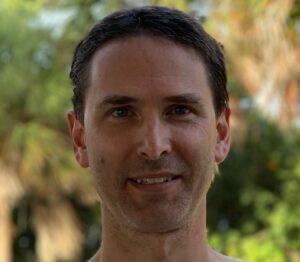
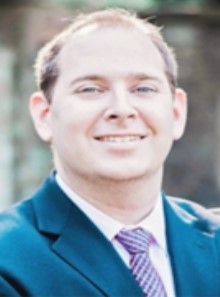
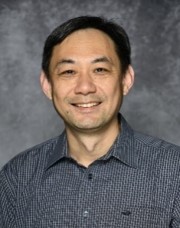
Andrew Babskin photo

Deputy Division Director, DQMM, ORS, OGD, CDER, FDA

Dr. Andrew Babiskin is the Deputy Division Director of the Division of Quantitative Methods and Modeling (DQMM), Office of Research and Standards (ORS), Office of Generic Drugs, CDER. He previously led the Locally-acting Physiologically Based Pharmacokinetic Modeling Team and the Quantitative Clinical Pharmacology Team in DQMM. Dr. Babiskin’s expertise lies in modernization of bioequivalence evaluation practices through model-integrated evidence. Dr. Babiskin received his B.S. degree from the University of Maryland (College Park) in Chemical Engineering and his M.S. and Ph.D. degrees from the California Institute of Technology in Chemical Engineering. He joined the FDA in 2012 as an ORISE postdoctoral fellow in the OGD Science Staff (now ORS) and became an employee within DQMM in 2014.

Headshot of Diane Burgess

Distinguished Professor of Pharmaceutics, Pfizer Distinguished Endowed Chair in Pharmaceutical Technology, University of Connecticut

B.Sc. Pharmacy, University of Strathclyde (1979) and Ph.D. Pharmaceutics, University of London (1984). Fellow of AAPS, CRS, APSTJ, AIMBE and the National Academy of Inventors. 2010 CRS President; 2002 AAPS President. Editor of International Journal of Pharmaceutics (2009 – 2018). Editorial board member of 14 international journals. Recipient of: 2026 AAPS Distinguished Scientist Pharmaceutical Award; 2024 NIPTE David J. W. Grant Distinguished Scholar in Basic Pharmaceutics; 2023 AAPS Alice E. Till Advancement of Women in Pharmaceutical Sciences Recognition; 2023 University of Connecticut AAUP Edward C. Marth Mentorship Award; 2018 AAPS Wurster Award in Pharmaceutics; 2014 AAPS Research Achievement Award; 2014 AAPS Outstanding Educator Award; 2014 CRS Distinguished Service Award; 2013 AAPS IPEC Ralph Shangraw Award; 2010 CRSI Fellowship, 2011 APSTJ Nagai International Woman Scientist Award. Over 324 refereed publications, over 790 research presentations, over 365 invited presentations, 34 keynote and plenary addresses. Major advisor to 51 Ph.D., 4 M.S. 23 postdoctoral and 240 undergraduate students.

Founder, DIANT Pharma (2019). DIANT Pharma (https://diantpharma.com) develops proprietary continuous manufacturing technology for nanoparticles with a wide array of applications throughout multiple industries, such as lipid nanoparticles and liposomes for pharmaceutical formulations.

Inventor on 17 patents/patent applications, thirteen of which have been licensed to companies, and 12 products/product lines have been commercialized.

Research is focused on complex parenterals and ranges from fundamental to applied science of high significance to the industry and regulatory authorities. Scholarship exemplifies the translation of cutting-edge science to public health impact. Contributions are not only widely cited academically but also operationalized in product development and regulatory review. Research work has directly and indirectly resulted in new drug products, pharmaceutical devices and advanced manufacturing technology.

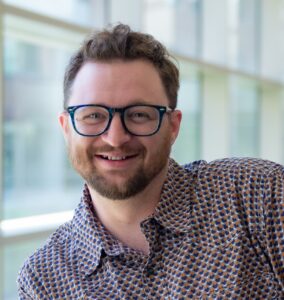
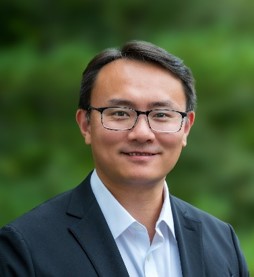
Andrew Clark photo

Senior Director, Research and Strategy, digiM Solution LLC

Dr. Andrew Clark is the Senior Director of Research and Strategy at digiM Solution, where he leads the team of application scientists in structural characterization of pharmaceutical products across the development pipeline. Dr. Clark has been extensively involved in the characterization of long acting and complex systems where he has championed the implementation and design of imaging-based characterization methods. He has pioneered the utilization of advanced synchrotron-based characterization methods as well as designed improved experimental methodologies for true density characterization of microscopic systems. His and his team’s focus on research and development of tools focused on microstructural understanding and their correlation to performance and manufacturing of pharmaceutical products seeks to broaden community knowledge and reduce the burden on product development time. Prior to joining digiM he earned his Ph.D. in Physics at Tufts University focusing on solid-state material characterization of novel polymer systems, and their relationship to the thermodynamic description of amorphous systems.

Allison Dunn photo

Assistant Professor, University of Maryland School of Pharmacy; Center for Translational Medicine

Dr. Allison Dunn is a Research Assistant Professor and Director of Research at the Center for Translational Medicine within the University of Maryland School of Pharmacy. She earned a B.S. in Bioengineering from the University of Maryland, College Park, and a Doctor of Pharmacy and M.S. in Pharmacometrics from the University of Maryland, Baltimore. Her research applies modeling and simulation to advance precision medicine in clinical practice and inform decision-making throughout drug development. Dr. Dunn also serves on the Center for Research on Complex Generics’ Drug-Device Combination Products Expert Committee. Her broader work advances model-informed approaches and innovative bioequivalence methodologies for the efficient development and evaluation of pharmaceutical products.

Headshot of Lucy Fang

Director, DQMM, ORS, OGD, CDER, FDA

Dr. Lanyan (Lucy) Fang serves as Director of the Division of Quantitative Methods and Modeling (DQMM) within the Office of Research and Standards, Office of Generic Drugs (OGD), CDER/FDA. In this capacity, she oversees quantitative medicine and leads the development of artificial intelligence strategies for FDA’s generic drug program.  Dr. Fang has established herself as a recognized FDA expert in applying modeling and simulation methodologies to the review and regulation of generic drugs. She serves on the executive board of CDER’s Quantitative Medicine Center of Excellence, contributing to the advancement of quantitative approaches across the center’s regulatory activities.

Prior to her current role at OGD, Dr. Fang worked as a senior clinical pharmacology reviewer in FDA’s Office of Clinical Pharmacology and as a senior pharmacokinetist at Merck. She holds a PhD in Pharmaceutical Sciences from The Ohio State University and is a graduate of the Excellence in Government Fellows program (2014-2015).

Yuqing Gong photo

Lead Pharmacologist, DQMM, ORS, OGD, CDER, FDA

Dr. Yuqing Gong is currently the Team Lead at the Quantitative Clinical Pharmacology Team in the Division of Quantitative Methods and Modeling (DQMM), Office of Research and Standards (ORS), Office of Generic Drugs (OGD), Center for Drug Evaluation and Research (CDER)/FDA. She has led critical research priorities utilizing quantitative clinical pharmacology approaches and model-integrated evidence (MIE) to develop innovative study designs and methods supporting bioequivalence (BE) demonstrations for generics with complex in vivo study considerations. Dr. Gong received her Ph.D. degree in Pharmaceutical Sciences at the University of Tennessee Health Science Center (Memphis, TN, US) in 2020. Her Ph.D. thesis work was to develop a nanoformulation for antiretroviral drugs to suppress the viral load in the central nervous system across the blood-brain barrier.  

Jernej Grmas photo

Head, Laboratory Informatics, Lek d.d. (Sandoz)

Dr. Jernej Grmaš is Head of Laboratory Informatics at Lek d.d. (Sandoz), where he leads the implementation of digital laboratory systems, data platforms, and artificial intelligence solutions across the pharmaceutical development environment. His work focuses on accelerating innovation through digital transformation, improving laboratory efficiency, and enabling data-driven decision-making throughout the R&D lifecycle. 

With 18 years of experience in pharmaceutical research and development, Dr. Grmaš has held a range of scientific and leadership roles across analytical development, complex product characterization, and digital innovation. His experience encompasses more than 25 analytical techniques, including material characterization, microscopy, rheology, and inhalation and nasal spray testing, supporting the development of complex generic products. While now focused on digital transformation and AI-enabled laboratories, he continues to contribute as a scientific advisor in the development of complex products, particularly in areas requiring advanced characterization and in vitro bioequivalence strategies. Throughout his career, he has contributed to numerous development programs, scientific publications, and cross-functional innovation initiatives. 

He holds a Master of Pharmacy and a Ph.D. in Biomedicine from the University of Ljubljana. 

Sunil Iyer photo

Vice President & Head, Biopharmaceutics and Clinical Development, Pharmaceutical Technology Center, Zydus Lifesciences Limited, Ahmedabad, India

Dr. Sunil Iyer heads Biopharmaceutics and Clinical Development at Zydus Lifesciences Ltd., Ahmedabad, India, where he oversees global clinical development and registration strategies for Oral and Non-oral generic products. His team provides critical inputs on alternative bioequivalence study designs for Complex Generics and 505(b)(2) filings, advanced pharmacokinetic modeling (including PBPK, IVIVC and POP-PK), and key immunological and toxicological initiatives.

An accomplished professional with ~28 years of experience in clinical development,
bioequivalence and regulated bioanalysis, Dr. Iyer has held escalating levels of responsibility at Sun Pharma and Mankind Pharma prior to joining Zydus, besides having served as an expert consultant to industry based at Virginia Commonwealth University (VCU), Richmond-VA.

Further to his Ph.D. degree in Pharmaceutical Sciences from VCU, Dr. Iyer pursued Postdoctoral Scholarship with Drs. William Barr and Thomas Karnes. In recognition of demonstrated excellence in scholarship, research, teaching and service, he received several awards and grants, including the Rector & Rorrer Dean’s Award for Graduate Studies, University Leadership Award, John Wood Award, Kamlesh Thacker Award and AAPS-APQ Section Symposium Award. He previously earned a Master of Pharmacy degree from Birla Institute of Technology, India, after graduating his Bachelor of Pharmacy degree as a Gold Medalist on University Roll of Honors.

Dr. Iyer is active in professional pharmaceutical organizations such as AAPS, SPDS & ISCR, is widely published and serves as a reviewer for reputed journals. He has been invited to speak at several international fora on bioequivalence, clinical research and biopharmaceutics, and furthermore, endeavors to mentor pharmacy students at various career levels.

Young Jhon photo

Senior Chemist, DPQA IV, OPQA I, OPQ, CDER, FDA 

Dr. Young K. Jhon is currently a senior chemist working at Division of Product Quality Assessment IV (DPQA IV), Office of Product Quality Assessment I (OPQA I), Office of Pharmaceutical Quality (OPQ), Center of Drug Evaluation and Research (CDER) at the FDA.  He has more than 20 years of experience in the field of long-acting injectables, drug-delivery system, polymers, colloids (emulsions and suspensions), nanotechnology, implants, fluid mechanics, thermodynamics, and rheologyIn OPQ, he has been involved in assessment of complex dosage forms for oral, ophthalmic, parental, and topical routes, and in working groups for multiple guidances and research for complex drugs, including complex API sameness and the drug products that contain PLGAAlso, he serves as application technical lead (ATL) for regulatory drug application assessments and as USP liaison for General Chapters.  Prior to joining FDA, he worked as an NRC fellow in Chemistry division at U.S. Army Research Office, RTP, NC.  He received a Ph.D. in Chemical Engineering from North Carolina State University, Raleigh. 

Coleman Johnson photo

Postdoctoral Research Fellow, OPQR, OPQ, CDER, FDA 

Dr. Coleman Johnson earned his B.S. in Chemistry and M.S. in Chemistry/Polymer Sciences from the University of Oregon. He started his career in the pharmaceutical industry at Lonza Pharma and Biotech in Bend, OR as a formulation scientist. He then earned his Ph.D. in Pharmaceutical Sciences at the University of Texas at Austin. He is currently a postdoctoral research fellow at the US Food and Drug Administration in the Office of Pharmaceutical Quality Research. 

Nirav Khatri photo

Vice President & Delivery Manager, Injectable-Formulation R&D, Dr. Reddy’s Laboratory Ltd., India

Dr. Nirav Khatri leads complex injectable development programs at Dr. Reddy’s Laboratories Ltd., India, spanning long-acting injectables (LAIs), liposomes, peptide-based products, and conventional sterile dosage forms. His work focuses on advancing long-acting injectable technologies, particularly microsphere-based drug delivery systems, through formulation development, advanced product characterization, and evaluation of critical material attributes that influence product performance. He has contributed to the development and scale-up of complex LAI products by addressing challenges related to microparticle manufacturing, process robustness, scalability, and batch-to-batch consistency, while supporting CMC and bioequivalence strategies for global regulatory submissions. Dr. Khatri also serves as an Expert Advisor to the USP Microparticle Expert Panel under the Dosage Forms Expert Committee of the United States Pharmacopeia (USP). 

Ajay Khopade photo

Vice President & Head, Formulation Development (Non-Orals), Sun Pharmaceutical Industries Limited R&D 

Dr. Ajay J. Khopade is a pharmaceutical scientist with more than 26 years of experience in the development of sterile and complex pharmaceutical products, including liposomes, long-acting depot injections, nanoparticles, peptides, ophthalmic products, drug-device combination products, and large volume parenterals. He currently serves as Vice President, Site Head and Head of Formulation Development (Non-Orals) at Sun Pharmaceutical Industries Limited R&D Centre at Vadodara, India, where he leads formulation and process development activities supporting complex generic and specialty pharmaceutical programs from early development through commercialization. His responsibilities include CMC strategy, scale-up, technology transfer, regulatory submissions, intellectual property development, and cross-functional project leadership. 

Dr. Khopade earned his Ph.D. in Pharmaceutics from Dr. Harisingh Gour Vishwavidyalaya, India, and was subsequently awarded the prestigious Alexander von Humboldt Fellowship at the Max Planck Institute of Colloids and Interfaces, Germany. He is the inventor of several drug delivery platform technologies, including Nanotecton, TearAct, Trisurf, and Lipixelle, many of which have progressed to late-stage clinical development or commercialization. He has authored approximately 87 peer-reviewed publications, contributed numerous book chapters, and is an inventor on over 170 patent applications worldwide. Dr. Khopade has represented industry in interactions with global regulatory agencies including the US FDA, EMA, and TGA, and serves on several academic and scientific advisory boards. His current work focuses on the development and commercialization of complex generics, nanomedicines, ophthalmic products, and advanced drug delivery systems.  

Martin Klein photo

Senior Mathematical Statistician, DB VIII, OB, OTS, CDER, FDA

Dr. Martin Klein is a Senior Mathematical Statistician in the Division of Biometrics VIII, Office of Biostatistics, Office of Translational Sciences, CDER, FDA. His work focuses on regulatory review and research of generic drug products and biosimilar products, and the use of modeling in drug development. Dr. Klein’s research areas include group sequential design in bioequivalence studies, statistical analysis using pharmacokinetic models, statistical approaches to address missing data, statistical ranking of populations, and statistical computing. He received his Ph.D. in Statistics from the University of Maryland, Baltimore County.

Sivacharan Kollipara photo

Vice President & Head, Biopharmaceutics, Dr. Reddy’s Laboratories Ltd. 

Dr. Sivacharan Kollipara is currently working as Vice President & Head, Biopharmaceutics department in the Global Clinical Management group, IPDO at Dr. Reddy’s Laboratories Limited (DRL), Hyderabad. He is responsible for biopharmaceutics evaluation, bioequivalence risk assessment, and bioequivalence prediction for conventional as well as complex generic products at DRL. He is also involved in PK modeling and simulations activities supporting generic drug development of various immediate release, modified release, and complex products at DRL and involved in utilizing novel PBPK and PBBM modeling approaches for regulatory justifications for various markets. Prior to joining DRL, Dr. Kollipara was Principal Scientist (Global Pharmaceutical Development) at Novartis Healthcare Pvt Ltd., Hyderabad. Previously he also has been associated with Ranbaxy Research Laboratories, Gurgaon (Metabolism and Pharmacokinetics). He obtained Masters in Pharmaceutical Sciences from BITS, Pilani, Rajasthan, India and Ph.D. in Biopharmaceutics. Dr. Kollipara is also Chair Person, Scientific Planning Committee for SOPHAS (Society of Pharmacometrics & Health Analytics), India. Overall Dr. Kollipara has an experience of 18 years in the field of drug discovery, development and generic product development, bioanalytical method development and validation, PK data modelling and simulations. He has authored/co-authored more than 60 peer-reviewed publications and is scientific reviewer for many peer-reviewed journals. His research interests include PBPK/PBBM modeling, biowaivers, virtual bioequivalence simulations, IVIVC/R, drug-drug interactions, dissolution/bioequivalence safe space, bio-predictive dissolution methodologies, biowaivers, alternative BE approaches, pharmacometrics and novel statistical tools for dissolution similarity analysis and food effect evaluations. Dr. Kollipara has been invited as speaker in various international conferences and delivered numerous scientific talks on PBPK, PBBM approaches in new drug and generic product development, use of model integrated bioequivalence approaches and biowaivers. 

Deputy Director, OGD, CDER, FDA

Dr. Darby Kozak is the Deputy Director for the Office of Generic Drugs (OGD) where he serves as a senior agency advisor in the development and implementation of FDA policies and long-range objectives for generic drug scientific programs and activities, including the development of a strategic plan for the Generic Drug Program. Dr. Kozak started his FDA career in April 2015 in OGD’s Office and Research and Standards where he helped develop new analytical methods and equivalence evaluation methodologies for complex generic drug substances and parenteral, ophthalmic, otic, and inhalation formulations. Prior to joining the FDA, Dr. Kozak was Chief Scientist for Izon Science and Research Fellow at The University of Queensland’s Australian Institute for Bioengineering and Nanotechnology. Dr. Kozak has a B.Sc. in Chemical Engineering from the University of Washington (Seattle, WA) and Ph.D. in Chemistry from the University of Bristol (United Kingdom). 

Kai Kwok photo

Senior Pharmaceutical Quality Assessor, DPQA I, OPQA I, OPQ, CDER, FDA 

Dr. Kai Kwok is a Senior Pharmaceutical Quality Assessor (SPQA) in the Division of Product Quality Assessment I, Office of Product Quality Assessment I, Office of Pharmaceutical Quality, CDER at FDA. In this role, he serves as the application technical lead for integrated quality assessment of generic parenteral, ophthalmic, topical, nasal, and oral solid/solution drug products. Over the past 10 years, he has reviewed ANDA, Bio-IND, IND, and Pre-ANDA meeting packages involving complex drug products, such as drug-device peptide products. He has also served as an FDA liaison to the USP Packaging and Distribution Expert Committee, contributing to the development of USP packaging chapters and standards, and as a member supporting FDA guidance development for drug delivery performance of drug-device combination products. Prior to joining FDA, Dr. Kwok spent over 10 years as a formulation scientist in pharmaceutical companies focused on drug product and process development. He received his Ph.D. in Pharmaceutical Sciences from the University of Michigan. 

Hiren Mehta photoGlobal Biometrics, Veeda Lifesciences Ltd.

Dr. Hiren Mehta has been into the pharmacometrics and generic drug development for about 21 years now, engaged in discovering, validating, adopting and applying new techniques of data analysis, modelling & simulations related to pharmacokinetics, pharmacodynamics integrated with biostatistics principles using evidence-based approach. He worked for 2 major generic pharma companies Cadila and Torrent in past and into the CRO sector for last 16 years with most recent role at Veeda Lifesciences preceded by Altasciences, Syneos Health and Lambda, helping generic sponsors to get the complex generics into the market with newer study designs & data analysis techniques which are regulatory acceptable. Some of these works have been published into journals.

Naresh Mittapelly photo

Senior Research Scientist, Mechanistic Modelling & Simulation, Certara Predictive Technologies (Simcyp Division)

Dr. Naresh Mittapelly is a Senior Research Scientist in the Modelling and Simulation group at Certara Predictive Technologies, specializing in mechanistic modelling of complex and specialized drug delivery systems — including dermal and rectal absorption and long-acting injectable (LAI) formulations, areas of growing strategic importance in pharmaceutical development. He received his Ph.D. from the CSIR-Central Drug Research Laboratory (CDRI), India. Prior to joining Certara in 2021, he served as Deputy Manager of Product Development at Cipla Ltd, leading ANDA and 505(b)(2) programs for the US market — bringing a strong industry and regulatory perspective to his modelling work. His core expertise spans complex injection systems, transdermal delivery, liposomes, and peptide formulations. Dr. Mittapelly has authored more than 25 peer-reviewed publications spanning drug delivery and mechanistic modelling.

Natalie Morris photo

Research Scientist, MID 3, Certara

Dr. Natalie Morris is a PBPK modelling scientist who works on the development of the Simcyp Simulator at Certara. She holds a BSc in Molecular Biology from the University of Sheffield and a PhD from the University of Bristol, where her doctoral research applied pharmacokinetic modelling, global sensitivity analysis, and parameter optimization to antivenom design for snakebite envenoming.

Since joining Certara in 2024, Natalie has contributed to a range of projects including long-acting injectable (LAI) models, virtual bioequivalence (VBE), population file development, and the Simcyp R package. She currently leads the VBE team within Simcyp. In this workshop she will present on recent work within an FDA-funded grant which focused on the development of statistical workflows for PBPK-based VBE assessment of LAIs. This core workflow has been integrated into a new VBE module within Pirana that interfaces with Simcyp, and has resulted in two recent publications in the AAPS Journal.

James Mullin photo

Sr. Principal Scientist, Research and Development, Simulations Plus, Inc.

Mr. James Mullin is a Senior Principal Scientist at Simulations Plus, Inc. and has a graduate degree in Chemical Engineering from Washington State University.  In his role at Simulations Plus, he contributes to modeling and simulation development and consulting activities across multiple programs including GastroPlus, MembranePlus, and DDDPlus.  Most recently, James is participating in an FDA grant project to extend the capability of Gastroplus pulmonary module to predict local tissue concentrations by enhancing the model structure.  Furthermore, James has contributed toward FDA grant projects with respect to IVIVC and long-acting injectables. James has 22 years’ experience in PBPK modeling, computational fluid dynamics, and mathematical modeling.

Alhan Oraha photo

Scientific Leader, Clinical R&D, Apotex Inc. 

Ms. Alhan Oraha is a Scientific Leader in Clinical R&D at Apotex Inc. with 20 years of experience in clinical pharmacology, pharmacokinetics/pharmacodynamics, bioequivalence, and regulatory science. She holds both an MSc and an Honours BSc in Pharmacology from the University of Toronto. Throughout her career, she has led the design and scientific evaluation of clinical and bioequivalence studies across a wide range of dosage forms. Her work involves applying clinical pharmacology and regulatory science principles to support the successful development and registration of complex generic medicines. She is also a co-author of peer-reviewed publications in the fields of clinical pharmacology and neuroscience. 

Simone Perazzolo photo

Senior Research Scientist, Department of Pharmaceutics, School of Pharmacy, University of Washington, Seattle

Dr. Simone Perazzolo is an engineer and pharmaceutical scientist with a Ph.D. in mechanistic modeling of biological systems. He has over 15 years of experience in compartmental, PBPK, and PD modeling, with applications in long-acting drug delivery and infectious diseases. He received the Journal of Pharmaceutical Sciences Outstanding Early Career Scientist Award in 2022 and 2024.

He recently published a position article proposing CS-BLAP, a classification system for long-acting drug products based on the mechanisms governing absorption from the injection site into systemic circulation, with effective molecular size as a key determinant. Drawing on the principles of the classic BCS, the framework aims to support discussions around scaling and regulatory approval of generic long-acting injectables.

Bin Qin photo

Senior Staff Fellow, DTP I, ORS, OGD, CDER, FDA 

Dr. Bin Qin is currently a senior staff fellow in the Division of Therapeutic Performance I, in OGD’s Office of Research and Standards. In his current role, Dr. Qin is responsible for the development of product-specific guidance for generic drug development, reviewing and responding to controlled correspondences, pre-ANDA meeting requests and internal consults. Dr. Qin is also a project officer on multiple regulatory science research initiatives related to complex drug products, under the GDUFA regulatory science research program. 

Haiou Qu photo

Staff Fellow, OPQR, OPQ, CDER, FDA

Dr. Haiou Qu is a Research Scientist in the Division of Pharmaceutical Quality Research within the Office of Pharmaceutical Quality. His work focuses on advanced analytical characterization and the development of predictive in vitro methods to support bioequivalence and pharmaceutical equivalence assessments for generic drug products with complex active ingredients, formulations, or dosage forms. Dr. Qu is a subject matter expert in nanomaterials characterization and serves as a government liaison in the development of international standards for nanoparticle characterization using light scattering and flow-based separation methods.

Dr. Qu received his B.S. in Biotechnology from the University of Science and Technology of China and his Ph.D. in Materials Chemistry from the University of New Orleans.

Sam Raney photo

Associate Director for Science & Chief Scientific Advisor, ORS, OGD, CDER, FDA 

Dr. Sam Raney is the Associate Director for Science and Chief Scientific Advisor in the FDA’s Office of Research and Standards and Office of Generic Drugs, where he oversees the research portfolio of FDA’s generic drug research program. He has over 30 years of experience in pharmaceutical drug development, specializing in topical and transdermal products, and producing numerous research manuscripts, review articles, book chapters and patents. He has been a researcher and adjunct professor within academia, was the longest serving Chair of the AAPS Topical and Transdermal Community, has been a principal or sub investigator on over 400 pharmaceutical product studies, has held senior management roles in industry, serves on multiple expert committees and panels for the U.S. Pharmacopeia, and is frequently invited to speak at scientific meetings around the world. Dr. Raney holds a Bachelor’s Degree in Molecular Biophysics & Biochemistry from Yale University, and a Ph.D. in Biochemistry & Molecular Biology from the University of British Columbia in Canada.  

Bhasker Sambar photo

Sr. Manager, External R&D and Technical Services, Alvogen Inc.

Mr. Bhasker Sambar is Sr. Manager of External R&D and Technical Services at Alvogen Inc., where he leads external development programs for sterile complex injectables and drug-device combination products. His work covers formulation and process development, technology transfer and scale-up with external manufacturing partners, and CMC regulatory authorship. He has more than 15 years of experience in sterile injectable drug product development, including hands-on and management experience across several long-acting injectable platforms, particle engineering approaches such as media milling, and the use of QbD and design of experiments in formulation and process design.

Before joining Alvogen, Mr. Sambar held roles at Antares Pharma/Halozyme, where he supported the development of drug-device combination products such as prefilled syringes and autoinjectors and received a company award for resolving a significant technical issue in a commercial product. He earned his Master’s degree in Pharmaceutics from Kakatiya University, India, and serves as Track 2 Chair for the AAPS National Biotechnology Conference (NBC).


General Manager, Orbicular Pharmaceutical Technologies Ltd., Hyderabad.

Mr. Dinesh Satone is a pharmaceutical professional with over 19 years of experience in the development, analytical characterization, and regulatory support of complex drug products. He holds a Bachelor of Pharmacy (B.Pharm) and Master of Pharmacy (M.Pharm) from Nagpur University and qualified GATE 2005 with an impressive 97 percentile.

Throughout his career, Dinesh has held scientific and leadership positions at leading pharmaceutical organizations, including Sun Pharmaceutical Industries, Dr. Reddy’s Laboratories (DRL), and Orbicular Pharmaceutical Technologies Ltd., Hyderabad, where he has been contributing for the past 10 years. His expertise spans the analytical characterization of complex active pharmaceutical ingredients (APIs), including peptides, and complex formulations such as liposomes, colloids, suspensions, emulsions, long-acting injectables, and implantable drug delivery systems.

He has extensive experience in designing and implementing analytical characterization strategies to support product development, in vitro bioequivalence assessments, and regulatory submissions. His work has contributed to successful approvals from major global regulatory agencies, including the US FDA, EMA, and Health Canada.

Currently serving as General Manager at Orbicular Pharmaceutical Technologies Ltd., Dinesh leads analytical characterization and in vitro bioequivalence programs for peptide-based drug products and PLGA-based long-acting injectables and implants intended for global markets.

His areas of focus include comparative physicochemical and structural (Q3) characterization, In Vitro Release Testing (IVRT), polymer characterization, and the application of advanced orthogonal analytical techniques to establish equivalence between proposed products and reference listed drugs (RLDs). These efforts support the development of high-quality, scientifically robust, and globally compliant pharmaceutical products.

Headshot of Anna Schwendeman

Co-Director of CRCG, Professor of Pharmacy, Department of Pharmaceutical Sciences, Biointerfaces, College of Pharmacy, University of Michigan

Dr. Anna Schwendeman is a Professor in the Department of Pharmaceutical Sciences at the University of Michigan. Her research focus is on optimization of high-density lipoprotein (HDL) nanoparticles for treatment of atherosclerosis, sepsis, and drug delivery purposes. In 2016, she co-founded a company EVOQ Therapeutics (www.evoqtherapeutics.com) focused on the use of HDL Nanodiscs for delivery of personalized neoantigen cancer vaccines. Dr. Schwendeman received her B.S. from Moscow Institute of Physics and Technology and Ph.D. in Pharmaceutics from The Ohio State University. Prior to starting her academic career in 2012, Dr. Schwendeman spent 12 years in the pharmaceutical industry at Cerenis Therapeutics, Pfizer, and Esperion Therapeutics. She was involved in discovery and translation HDL drugs to clinical trials. She successfully submitted FDA INDs for seven different products including nanoparticles, liposome, recombinant proteins, peptides, and small molecules. Her laboratory’s research in regulatory sciences is focused on analytical characterization of liposomes, polymer microspheres, peptides, and biosimilar products. She is co-Director of FDA sponsored Center for Research in Complex Generics (http://www.complexgenerics.org). Dr. Schwendeman is an Associate Editor for Nanomedicine NBM and Eur. J. Pharm and Biopharm.

Headshot of Steven Schwendeman

Ara G. Paul Professor and Chair, Pharmaceutical Sciences, Professor of Biomedical Engineering, University of Michigan Biointerfaces Institute

Dr. Steve Schwendeman is Ara G. Paul Professor and Chair of Pharmaceutical Sciences and Professor of Biomedical Engineering at the University of Michigan (UM) Biointerfaces Institute. He is also co-director of the UM Bioinnovations in Brain Cancer program and Advanced Materials and Drug Delivery Thrust Leader of the Biointerfaces Institute at UM. He trained in Chemical Engineering (B.S.E.) and Pharmaceutics (Ph.D.) from UM and was an NIH postdoctoral fellow at MIT. He received the Young Investigator Award and a Best Paper Award from the Controlled Release Society (CRS). He is a Fellow of CRS and American Association of Pharmaceutical Sciences and elected to the National Academy of Inventors (2019). He is co-recipient of a $15 MM UM Bioscience Initiative Award to develop technological innovations in brain cancer. He was Associate Editor of Journal of Controlled Release from 2007-2021 and Pharmaceutical Research from 2004-2007. He has co-authored >150 publications, trained >25 PhD and 12 postdoctoral students, delivered >125 invited lectures, consulted for >25 companies, published >150 abstracts, and has nine issued and several pending patents. His principal contribution to science involves the theory and application of microencapsulation, stabilization, and controlled release of bioactive agents of all sizes with/in poly(lactic-co-glycolic acid) delivery systems with a special focus on peptides and proteins. More recently his lab has investigated buccal, nasal, and pulmonary delivery of hydrophobic drugs, vaccine antigens and nitric oxide, and invented organic solvent-free PLGA microencapsulation of large molecules by self-healing and ion-pairing. He is currently funded by NIH, US FDA, large corporations and private foundations, including FHI360, Gates and USAID.

Jaymin Shah photo

Senior Research Fellow and Global Head of Biopharmaceutics, Pharmaceutical Sciences Small Molecules, Pfizer Worldwide Research and Development, Groton CT, USA

Dr. Jaymin Shah is a Senior Research Fellow in Pharmaceutical Sciences and heads a global biopharmaceutics group in Pfizer R & D. He also holds an adjunct faculty appointment at the University of Houston and University of Connecticut. He obtained his Ph.D. in Pharmaceutics from University of Houston.  From 1988-1999 he served as Associate Professor (Tenured) of Pharmaceutical Sciences at Medical University of South Carolina, where he led a lab developing sustained release parenteral delivery systems and modeling of skin transport and mentored 7 Ph.D. and 2 MS graduates.  Jaymin joined Pfizer in 1999 where he has led formulation groups and project teams supporting development of various candidates such as parenteral/ophthalmic dosage forms, peptide and oligonucleotides development and research initiatives in parenteral and ophthalmic delivery including LAI, depots, sterile suspensions, implants, and nanoparticles.  Jaymin has been recognized with achievement awards for leadership and innovation in Pfizer.  Jaymin has published 70 papers, 10 patents/patent applications, 75 abstracts and made more than 114 presentations at various scientific forums such as Arden House Conference, AAPS symposia, CRS, FDA and academic centers. His current research interests include PBPK modeling and in vitro translational studies to predict biopharmaceutics risk for drug candidates, parenteral sustained release, nanoparticles, ophthalmic delivery, and topical formulation development. Currently he leads a global biopharmaceutics group providing biopharma risk assessment and strategy for biopharmaceutical aspects for drug development using in vitro performance and PBPK modeling.

Andrew Shaw photo

Head of Global Clinical Pharmacology, Global Clinical Pharmacology Department, Viatris, Inc.

Dr. Andrew Shaw is the Head of Global Clinical Pharmacology for Viatris, Inc. In this role, Andrew leads a talented global team of scientists and statisticians focused on innovative and generic pharmaceutical programs concentrating on early phase human clinical and bioequivalence studies involving oral solids, transdermals, complex long-acting injectables, respiratory, and biosimilars.  Andrew has been with the company in increasing levels of responsibility since 2000 when it was known as Mylan Pharmaceuticals, Inc. before merging with Upjohn to form Viatris in 2020Andrew holds a B.S. degree in Pharmacy from the Philadelphia College of Pharmacy & Science and a Ph.D. in Industrial Pharmacy from Purdue University. 

William Smith photo

Research Scientist, DPQR V, OPQR, OPQ, CDER, FDA

Dr. William C. Smith (Billy) is a Research Scientist in the Division of Pharmaceutical Quality Research, working on complex drug formulations from topicals to injectables and implantable polymeric devices. Dr. Smith runs the DPQR Micromeritics “Particle Size” Lab working on the physicochemical characterization of nano- and micro-scale materials to support regulatory assessment and review, and evaluation of drug product quality. His work focuses on the characterization and performance evaluation of complex drug products for both the assessment of advanced manufacturing processes and in the determination of bioequivalence. Dr. Smith received his B.S. degree in Chemistry from the Evergreen State College. In 2017, he was a guest researcher at the Leibniz Institute for Polymer Research (IPF) in Dresden, Germany. He earned his Ph.D. in 2019 from the Colorado School of Mines, where his doctoral work focused on the development of advanced separation techniques for the characterization of complex polymers and colloidal nanomaterials. He currently acts as the young scientist representative to the steering board for International Symposium on Field- and Flow– Based Separations.

Prasad Tata photo

Senior Director, Pharmacokinetics and Bioequivalence, American Regent Inc., a Daiichi Company, USA

Dr. Prasad N. V. Tata earned his B.S., M.S., and Ph.D. in Pharmaceutical Sciences from Andhra University in Waltair, India. His professional career spans more than 40 years and includes affiliations with several academic institutions, including Andhra University, Berhampur University, Annamalai University, and the University of Pittsburgh, as well as industrial research organizations in India and the United States. 

While working in Professor Raman Venkataramanan’s group at the University of Pittsburgh, Dr. Tata’s focus shifted from the development of novel drug delivery systems to the clinical and non-clinical development of investigational products, including tacrolimus, mycophenolic acid, and cyclosporine. His work emphasized the integration of bioanalytical, drug metabolism, and pharmacokinetic findings into the design and execution of non-clinical and clinical development studies. During his tenure with Otsuka America, Shire Pharmaceuticals, and Salix Pharmaceuticals, he focused on regulated bioanalysis, drug metabolism, —with an emphasis on drug-drug interactions, and pharmacokinetics in support of NDA and 505(b)(2) NDA development. His work at Mallinckrodt, Inc. and Sandoz focused on 505(b)(2) NDAs and ANDA development. 

Dr. Tata currently serves as Senior Director of Pharmacokinetics and Bioequivalence at American Regent, Inc., where he focuses on the development of complex generics and innovative 505(b)(2) NDAs for complex long-acting injectable formulations. His work involves the efficient application of biostatistics, physiologically based pharmacokinetic modeling, and population pharmacokinetic principles to develop innovative study designs based on model-informed drug development and model-informed evidence.  

Dr. Tata has been an active contributor to professional forums, including the American Association of Pharmaceutical Scientists, the International Society for the Study of Xenobiotics, and the Indian Pharmaceutical Association. He has published nearly 50 peer-reviewed articles and delivered a comparable number of conference presentations and invited talks. He also enjoys mentoring future professionals through adjunct faculty appointments and informal collaborations with academic institutions. 


Headshot of Eleftheria Tsakalozou

Lead Pharmacologist, DQMM, ORS, OGD, CDER, FDA

Dr. Eleftheria Tsakalozou (Lead Pharmacologist, US Food and Drug Administration (FDA)) obtained her Ph.D. in Pharmaceutical Sciences at the University of Kentucky in 2013 and completed a two-year Fellowship in Clinical Pharmacokinetics and Pharmacodynamics at the University of North Carolina at Chapel Hill before joining the FDA in 2015 as an Oak Ridge Institute for Science and Education (ORISE) Fellow. She is currently a Lead Pharmacologist at the Division of Quantitative Methods and Modeling at the Office of Research and Standards with expertise in physiologically based pharmacokinetic modeling and simulation approaches for topical and transdermal drug products. She is focused on the development and regulatory application of mechanistic modeling and simulation tools to support virtual bioequivalence assessments for non-orally administered drug products.  

Yan Wang photo

Deputy Director, DTP I, ORS, OGD, CDER, FDA 

Dr. Yan Wang is the Deputy Division Director in the Division of Therapeutic Performance I (DTP I), ORS, OGD at the U.S. Food and Drug Administration. The division advances regulatory science to support generic drug development and establish standards for demonstrating therapeutic equivalence.

Since joining FDA in 2013, Dr. Wang has served in multiple scientific and leadership roles, including as a subject matter expert in complex long-acting drug products and Team Lead for the Complex Drug Substance and Complex Formulation Team. Her work focuses on analytical methods, in vitro characterization, and drug release testing for complex drug products.

Her expertise spans complex parenteral, ophthalmic, otic, intravaginal, and intrauterine products, with an emphasis on linking formulation and manufacturing to product performance and bioequivalence.

Daniel Wehrung photo

R&D Formulation Manager, Research & Development, American Regent, Inc.

Dr. Daniel Wehrung is the R&D Formulation Development Manager responsible for all technical aspects of formulation and process development and scale-up of generic and branded drug products developed at American Regent, Inc.  Prior to joining American Regent, Inc. Dr. Wehrung completed his Bachelor of Science from Ohio University and his Ph.D. in Integrated Pharmaceutical Medicine from Northeast Ohio Medical University.  Prior to his current role at American Regent, Inc. his research focused on developing injectable delivery systems from novel polymers and lipid carriers with the goal of achieving spatiotemporal control of drug release.

Peng Zhang photoSenior Principal Scientist, Excipients, USP
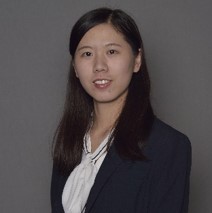
Dr. Peng Zhang is a Senior Principal Scientist at the United States Pharmacopeia (USP) in Rockville, MD. In his current role, he is primarily responsible for standard setting activities related to the development and update of high-priority excipient quality standards and solutions, including those for lactide-glycolide and lactic acid- glycolic acid polymers (PLGs and PLGAs, collectively referred as LG polymers) and phospholipids, under the Excipient Expert Committees. Before joining USP, he worked as an analytical scientist in the pharmaceutical industry for 10 years. He holds a Ph.D. degree in Analytical Chemistry from Vanderbilt University.

Qiangnan Zhang photo

Staff Fellow, DTP I, ORS, OGD, CDER, FDA

Dr. Qiangnan Zhang is a Staff Fellow in the Division of Therapeutic Performance-I (DTP-I), Office of Research and Standards (ORS), Office of Generic Drugs (OGD), Center for Drug Evaluation and Research (CDER) at the U.S. Food and Drug Administration (FDA). She joined the FDA as an ORISE Fellow in February 2020 and has served in her current role since November 2022. Dr. Zhang’s expertise includes long-acting injectable suspensions and other complex long-acting parenteral products, such as PLGA based microspheres and in situ-forming gels, and EVA implants. At the FDA, she provides scientific input on controlled correspondence, pre-ANDA meeting requests, citizen petitions, and internal consults related to the assessment of complex parenteral products. She also oversees and collaborates on GDUFA-funded and internal research projects, translating research findings into bioequivalence approaches and product-performance testing that support the development and assessment of complex generic parenteral products.

The workshop will be held at the Universities at Shady Grove (USG).

Address: Building II, Ballroom (please follow signs), 9630 Gudelsky Drive, Rockville, MD 20850

  • Travel from local airports to Rockville, MD. (The Universities at Shady Grove (USG)) will require an Uber or Lyft, which is by far the best way to obtain car service.
  • As there is road traffic in the region, the fastest way to the Shady Grove campus is the DCA airport, then taking the Metro subway from the airport to Shady Grove, then taking Uber or Lyft. Alternatively, fly into any WAS airport and take Uber or Lyft. If flying into BWI airport, we suggest taking Uber or Lyft to USG.
  • The Metro subway serves DCA and IAD airports, which connects with the Shady Grove stop on the red line. If flying into IAD, taking the Metro will save some cost, but will probably take extra time, even if traffic is heavy.

More links and information:


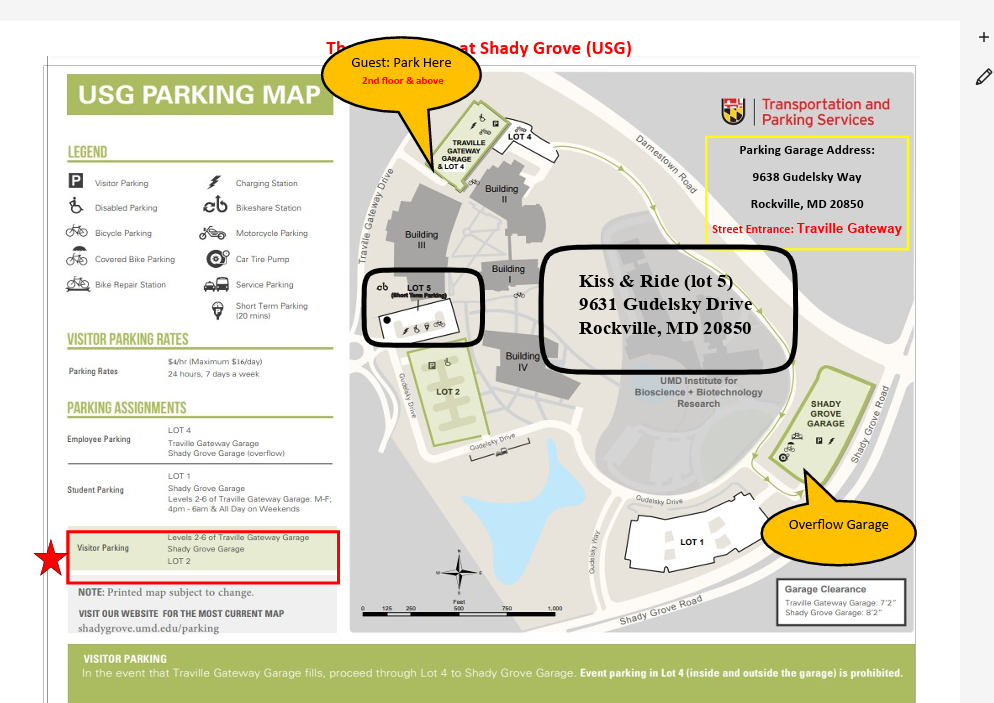
  • The Traville-Gateway Garage is the closest parking garage to the venue (parking map). Attendees may also park in Lot 2 and Shady Grove Garage but will need to allow more walking time to reach the event.
  • Visitor Parking: Levels 2-6 of Traville Gateway Garage. PLEASE NOTE: The ground floor of Traville Gateway Garage requires a USG employee permit at all times.
  • Guests are responsible for the cost of parking; parking will not be validated. Parking is $16 for all day.

Click for parking information from the USG website.

Please click on the following “all transportation options” links to find transportation from the airport via subway, bus, taxi, car, and town car.

  • Train tickets (Omio)
  • Washington, DC to Baltimore: Approximately 35 minutes
  • Penn Station Marc SB (Baltimore): Approximately 41 miles from campus

Empire Sedan & Limo Services (empiresedan12@gmail.com):  240-988-1796

Washington Flyer Taxi:  703-572-TAXI or 706-853-6094
(Syed Z Shah, Cab #381, 571-243-0020, can book ride, requires one day notice)

Regency Taxi:  301-984-1900

Bob’s Limo Service (Email): 301-525-2525

B&B Executive Sedan (Email): 240-533-6262

East Coast Limousine (Email): 301-527-0413 or 240-793-8196

Uber: BaltimoreBWI AirportWashington, DCDulles (IAD) Airport

If using Uber, plese see the Uber Map for the designated spot for drop off and pick up for the workshop.  Do not request to be picked up/dropped off at the Traville-Gateway parking garage.

Address for Uber:
Universiites at Shady Grove
Lot 5
9631 Gudelsky Drive
Rockville, MD 20850


Guests should mention they are attending a conference at Universities of Shady Grove; most hotels offer discounts.

There are many hotels within a short driving distance to the USG campus including:

For the December 1-2 workshop, you will need to pre-order your lunch for each day; lunch is not provided.  Lunch will be delivered to the main building where the workshop will be held (Building II, Ballroom) and labeled with your name.  You will pick up your ordered food at the registration desk, each day. 

(Note:  please disregard the confirmation message that states food will be available for pick up the next day; all food will be delivered to the Ballroom for each day of the workshop)

You can go to Dawson’s Market as well, located in Building III, first floor.  Hours are 9 AM-5 PM ET.  The cafe has additional food and beverage options there.  You are welcome to bring your lunch, as well.

Link for Tuesday, December 1:  https://square.link/u/OPuLlAXV

Link for Wednesday, December 2:  https://square.link/u/8BSKiD47

Make your selection and Add to Order.  Once you have made your selection, you will then click on the shopping cart icon to check out.  If you want to purchase more than one meal for the same day, you will need to place two separate orders.  You will Continue to Payment, where you can pay with Google Pay, Credit Card, or Cash App Pay.  Then hit Place Order.

During checkout, there is a spot for Note to Seller, to use when placing your order, if needed for modifications to your order.

The deadline for ordering lunch is Monday, November 16th by 5 PM ET.

Coffee, hot tea, water, and soft drinks will be available throughout each day in the conference room (Ballroom). 

Food will be provided in the morning, and AM and PM breaks each day.

USG Lunch (Dawson’s Market)

Chicken Caesar Wrap $14.99 Includes chips, cookie, and choice of beverage

Turkey & Swiss Wrap $14.99 Includes chips, cookie, and choice of beverage

Tuna Salad Wrap $14.99 Includes chips, cookie, and choice of beverage

Grilled Vegetables & Hummus Wrap $14.99 Includes chips, cookie, and choice of beverage

Eggless Egg Salad Wrap (VEGAN) $14.99 Includes chips, cookie, and choice of beverage

You will have the option to remove tomatoes and/or cheese, if needed

Greek Salad $14.99 Includes romaine lettuce, tomatoes, onion, kalamata olives, bell peppers, feta cheese, pepperoncini peppers served with Dijon vinaigrette. Includes chips, cookie, and choice of beverage

Grilled Salmon Caesar Salad $15.99 Includes chopped romaine, house made croutons, shredded parmesan & Caesar dressing. Includes chips, cookie, and choice of beverage

Goat & Greens $14.99 Includes spinach, cranberries, pecans, tomatoes, goat cheese served with balsamic vinaigrette. Includes chips, cookie, and choice of beverage

Hot Items

Tomato Bisque Soup  $6.99

Taco Bowl  $15.99 Your choice of [fajita chicken, ground beef, or vegetables] on a bed of rice with mixed greens, fajita vegetables, black beans, shredded cheese, and toppings on the side (guacamole, sour cream, and salsa)

Beverage Choice

Coke

Diet Coke

Sprite

Water

Just Tea-Mango White (additional $1.00)

Just Tea-Original Green (additional $1.00)

Just Tea-Half & Half (additional $1.00)

Dr. Browns-Cream

Dr. Browns-Black Cherry

Dr. Browns-Root Beer

Olipop-Grape (additional $1.50)

Olipop-Ginger Lemon (additional $1.50)

Olipop-Cherry Cola (additional $1.50)